A suite of digital tools developed by GPs, for GPs. Designed to save time, enhance workflow and support diagnosis, assessment and treatment of eating disorders.
Visit the GP HubThe InsideOut eClinic offers clinicians access to a suite of free, evidence-based eTherapy programs and tools for eating disorders to use in their clinical practice.
Visit the eClinicServices, training and resources for health professionals working for NSW Health.
AccessFind resources and events tailored to your profession and needs
Professional Discipline
Tools relevant to Counsellors
Events relevant to Counsellors

Webinars on Nutrition Formulation: Connection, Communication & Meaning (2-Part Series)
This 2-part webinar series builds on the Foundations of Formulation and Formulating in Practice webinars by exploring how a Dietitian, using a nutrition formulation lens can strengthen broader biopsychosocial formulations within multidisciplinary eating disorder care and enhance dietetic practice. This two-part webinar explores three key themes: Connection, Communication and Meaning.

Bone Health and Eating Disorders
Bone health is a critical but often overlooked aspect of eating disorder care. Nutritional restriction, low energy availability and endocrine dysfunction can have significant consequences for bone density and fracture risk, including in young people. Join Dr Patrice Forner, dual-trained endocrinologist and dietitian, for a practical webinar exploring the impact of eating disorders on bone health and the key considerations for assessment and management.
1 Dec 2026 10:45pm - 11:30pm
Zoom
Webinars relevant to Counsellors
Allergy, intolerance or something else? Navigating reported food reactions in dietetic practice
“I’m allergic to…” “I can’t tolerate…” “That food makes me feel awful…” Reported food allergies and intolerances are common in eating disorders, but what do we do when the story isn’t quite so clear? How do we tell the difference between a true allergy, an intolerance, a suspected reaction, or symptoms that may be linked to prolonged restriction or nutritional rehabilitation? This 60-minute webinar will unpack the tricky world of food reactions in eating disorder practice, including food sensitivity testing, clinical assessment, referral, and the impact of our own assumptions. We’ll explore how to stay curious, keep people medically safe and nutritionally supported, and avoid unintentionally turning food avoidance into another eating disorder rule.
Webinar - Part 1: Nutrition Formulation in Practice
This is the first webinar in a two-part series on Nutrition Formulation: Connection, Communication & Meaning. This 2-part webinar series builds on the Foundations of Formulation and Formulating in Practice webinars by exploring how a Dietitian, using a nutrition formulation lens can strengthen broader biopsychosocial formulations within multidisciplinary eating disorder care and enhance dietetic practice.
Webinar: Adapting Eating Disorder Care for Neurodivergent Clients: Reflecting on Traditional Approaches (Part 2)
This is the second webinar in a two-part series that follows on from Dr Maud Achard's May 2026 webinar 'Part 1 'Supporting Neurodivergent Clients — Engagement, Communication, and Felt Safety in Eating Disorder Care'.
Webinar: Assessing and Managing Malnutrition in Adolescents with Restrictive Eating Disorders - Part 2 Case Studies
This is a follow up to the first webinar Kate àBeckett presented in December 2025 on Assessing and Managing Malnutrition in Adolescents with Restrictive Eating Disorders.
Webinar: Part 2: Formulating in Practice - Adolescents to Adults
This is the second webinar in a two-part series on Formulation. This two-part webinar series on Formulation aims to further clinicians understanding of case conceptualisation, and give practical examples of how to use this knowledge in their work with people with eating disorders. The webinars are designed to be both complementary, and stand alone resources. This means that clinicians can choose to attend one or both webinars, depending on their preference.
Webinar: Part 1: Foundations of Formulation
This is the first webinar in a two-part series on Formulation. This two-part webinar series on Formulation aims to further clinicians understanding of case conceptualisation, and give practical examples of how to use this knowledge in their work with people with eating disorders. The webinars are designed to be both complementary, and stand alone resources. This means that clinicians can choose to attend one or both webinars, depending on their preference.
Webinar: Supporting Neurodivergent Clients: Engagement, Communication, and Felt Safety in Eating Disorder Care (Part 1)
This is the first webinar in a two-part series building on the foundations introduced in Colleen Alford’s February 2026 webinar 'Neurodivergence and Eating Disorders', with a focus on translating theory into practical strategies for client work.
Webinar: GLP-1 Agonists and Eating Disorders. What to say when clients ask?
There’s a lot of hype around GLP-1 medications right now—and if you’re feeling confused, cautious, or just curious, you’re in good company. Health practitioners are struggling to keep up with the research and the messaging that consumers are facing and these conversations are ending up in therapy spaces. When we are supporting someone with or at risk of developing an eating disorder (ED) what do we say and do?
Webinar: When Eating Disorders Meet Motherhood - Recognition, Risks, and Responsive Care
This webinar focuses on eating disorders and subthreshold presentations in the perinatal population, the impacts on maternal and infant health, discusses barriers and strategies for screening and supporting affected individuals, presents an overview of current treatments for eating disorders and their relevance during the perinatal period.
Webinar: Assessing and Managing Malnutrition in Adolescents with Restrictive Eating Disorders
This webinar will provide an overview of the assessment and management of malnutrition in adolescents with restrictive eating disorders.
Webinar: Eating Disorders & Perimenopause
The intersection of eating disorders (EDs) and perimenopause presents significant clinical challenges. Without understanding of this critical life stage, clinicians risk missing the recurrence or emergence of eating disorders in midlife women - particularly binge eating disorder - or failing to address the unique nutritional needs of this population within the context of ED treatment.
Managing Severe Eating Disorders in the Community Under a CTO (Community Treatment Order)
A professional development webinar aimed at community mental health staff and clinicians who care for individuals with severe eating disorders outside of hospital settings.
Webinar: Delivering Maudsley Family Based Treatment for eating disorders via telemedicine: Insights and Lessons Learned
In this one hour webinar Professor Daniel LeGrange will provide an overview of the use of FBT via telemedicine and highlight specific practice considerations and modifications that clinicians should consider.
Webinar: Coercive Treatment in Eating Disorders: Use of the Mental Health Act and Guardianship
This webinar outlines coercive treatment options for individuals with eating disorders under both the Mental Health Act 2007 and the Guardianship Act 1987.
eLearnings relevant to Counsellors

Guided Self-Help Training for Health Professionals
Create a free InsideOut eClinic account to access the Health Professionals Hub and this free online training. Build the knowledge and confidence to deliver evidence-based guided self-help and support clients through the BEeT eTherapy program.

Cognitive Behavioural Therapy for Eating Disorders: A Practice Based Introduction
Understand how to use Cognitive Behavioural Therapy (CBT) to effectively treat Eating Disorders with our comprehensive online learning course.

Family Based Treatment (FBT) for Children & Adolescents with Anorexia Nervosa: The Basics
Gain a foundational understanding of the recommended first-line treatment for children and adolescents with Anorexia Nervosa and other eating disorders.

The Foundations of Eating Disorders
Gain an introductory understanding of eating disorders in this foundational introduction to eating disorders for medical practitioners, nurses, dietitians, psychologists, and other allied health professionals.

The Essentials: Training Clinicians in Eating Disorders
Designed to meet the requirements of the NEDC competency framework for clinicians training in eating disorders, this course covers all the essential areas of basic training in the field of eating disorders.

Nutrition Basics
This foundational course, based on the Australian Guide to Healthy Eating, equips allied health professionals with the practical nutritional literacy to collaborate effectively in treatment teams and enhance client outcomes.

ARFID Fundamentals
Gain fundamental knowledge and skills in the area of Avoidant/Restrictive Food Intake Disorder (ARFID). Designed by experienced clinicians in consultation with people with lived experience of ARFID, ARFID Fundamentals is a self-paced course to help participants to identify ARFID, provide a thorough assessment, be able to differentiate it from other feeding and eating disorders, and understand the emerging treatment options.
Resources relevant to Counsellors
Guided Self-Help Training for Health Professionals
Create a free InsideOut eClinic account to access the Health Professionals Hub and this free online training. Build the knowledge and confidence to deliver evidence-based guided self-help and support clients through the BEeT eTherapy program.
Types of Eating Disorders
This resource outlines 7 common eating disorders: anorexia nervosa, bulimia nervosa, binge eating disorder (BED), avoidant/restrictive food intake disorder (ARFID), PICA, rumination disorder, and other specified feeding and eating disorders (OSFED).
NSW Eating Disorders Toolkit: Inpatient Management of Children and Adolescents with Eating Disorders
A practice-Based Guide to the Inpatient management of Children and Adolescents with Eating Disorders
Guidelines for the Inpatient Management of Adult Eating Disorders in General Medical and Psychiatric Settings in NSW
This document is designed to be used by nurses, doctors, allied health and general health staff located in hospitals or wards without specialist eating disorder facilities, to guide in the assessment of eating disorders, indicators for admission, and management strategies.
Cognitive Behavioural Therapy for Eating Disorders: A Practice Based Introduction
Understand how to use Cognitive Behavioural Therapy (CBT) to effectively treat Eating Disorders with our comprehensive online learning course.
Family Based Treatment (FBT) for Children & Adolescents with Anorexia Nervosa: The Basics
Gain a foundational understanding of the recommended first-line treatment for children and adolescents with Anorexia Nervosa and other eating disorders.
The Foundations of Eating Disorders
Gain an introductory understanding of eating disorders in this foundational introduction to eating disorders for medical practitioners, nurses, dietitians, psychologists, and other allied health professionals.
The Essentials: Training Clinicians in Eating Disorders
Designed to meet the requirements of the NEDC competency framework for clinicians training in eating disorders, this course covers all the essential areas of basic training in the field of eating disorders.
Nutrition Basics
This foundational course, based on the Australian Guide to Healthy Eating, equips allied health professionals with the practical nutritional literacy to collaborate effectively in treatment teams and enhance client outcomes.
ARFID Fundamentals
Gain fundamental knowledge and skills in the area of Avoidant/Restrictive Food Intake Disorder (ARFID). Designed by experienced clinicians in consultation with people with lived experience of ARFID, ARFID Fundamentals is a self-paced course to help participants to identify ARFID, provide a thorough assessment, be able to differentiate it from other feeding and eating disorders, and understand the emerging treatment options.
The Eating Attitudes Test (EAT-26)
This is a screening questionnaire to assist in the assessment of individuals who may be at risk of having eating disorders.
InsideOut Institute Screener 2018
The IOI-S is a brief, 6-item screening tool originally designed and validated for online use. It assesses for eating disorder risk and symptomatology using sensitive, non-confrontational language. There are online or paper versions available.
Diabetes Eating Problem Survey- Revised (DEPS-R)
The Diabetes Eating Problem Survey – Revised (DEPS-R) is a screening tool that has been designed to screen adolescents and adults with type 1 diabetes who may have an eating disorder.
Break Binge Eating
Break Binge Eating is a website designed to aid people with (or at risk of) eating disorders.
Suicide and Self Harm in Individuals with Eating Disorders
This resource outlines suicide and self-harm in individuals with eating disorders, discussing the function of self-harm and best practice for risk assessment.
Getting Help Early
This fact sheet discusses the importance of early intervention for individuals with disordered eating, and provides information on finding support.
ARFID and The Fight or Flight Response
This resource outlines the fight or flight response and how it can interact with ARFID.
The Scoff Questionnaire
This is a simple 5 question screening tool that will quickly flag the need for a detailed eating disorder history if required.
Clinical Supervision
This fact sheet outlines the role of clinical supervision, what to look for in a clinical supervisor and how to find a clinical supervisor.
Treatment Summary for Eating Disorders
This fact sheet outlines the recommended evidence based treatment for each eating disorder.
Social Media and Eating Disorders
This resource discusses the impact of social media on eating disorders.
Incidental Activity and Fitness Monitoring
This resource outlines the different types of physical activity, and how these interact with eating disorder compulsions.
Involuntary Treatment and Eating Disorders
This fact sheet outlines involuntary treatment for eating disorders, and the situations where it may be employed.
Family Based Treatment (FBT) for Children & Adolescents
This fact sheet outlines Family Based Treatment for Children & Adolescents with Anorexia Nervosa.
Cognitive Behavioural Therapy for Eating Disorders
This fact sheet outlines Cognitive Behavioural Therapy for individuals with eating disorders.
Severe and Enduring Anorexia Nervosa
This fact sheet provides you with an outline of severe and enduring Anorexia Nervosa.
Managing Distress in Individuals with Eating Disorders
This fact sheet outlines the distress felt by individuals with eating disorders and provides some tips on how to help manage individuals distress.
Psychosocial Assessment - ARFID
This resource outlines factors to consider in a psychosocial assessment of ARFID. This assessment should complement your standard psychosocial or mental health assessment.
School Setting: Eating Disorders Handout for Parents and Caregivers
This fact sheet describes the signs and symptoms of eating disorders, where to get help, and guidelines on how to best support your child through an eating disorder.
School Setting: Talking to the Student
This resource provides tips for approaching a student who you are concerned has an eating disorder.
How to Provide Meal Support in an Inpatient Setting
This resource describes ways to support a patient undergoing meal support in an inpatient setting.
What is Bulimia Nervosa?
This fact sheet describes the symptoms, causes, function and treatment options for Bulimia Nervosa.
What Type of Eating Disorder is ARFID?
This fact sheet describes the characteristics of Avoidant Restrictive Food Intake Disorder (ARFID), its signs, potential causes, and treatment options.
School Setting: Spotting an Eating Disorder
This resource provides a guide for spotting eating disorders in the school setting, with a focus on the physical and psychological signs of eating disorders, as well as behaviours exhibited inside and outside the classroom.
School Setting: Referral Options
This factsheet outlines some of the pathways through which students can access expert treatment
School Setting: Myths and Misconceptions
This resource describes some common myths and misconceptions about eating disorders.
School Setting: Eating Disorders 101
This resource outlines 7 common eating disorders: anorexia nervosa, bulimia nervosa, binge eating disorder (BED), avoidant/restrictive food intake disorder (ARFID), PICA, rumination disorder, and other specified feeding and eating disorders (OSFED).
School Setting: Confidentiality
This resource describes confidentiality in the school setting under law, and what it means to be a mandatory reporter.
Physical Complications of Over-Exercise
This resource describes the physical complications associated with over-exercise, including cardiovascular damage, internal complications, bone damage and muscular injuries, reproductive complications and psychological complications.
Physical Complications of Self-Induced Vomiting
This resource outlines the physical complications of self-induced vomiting, including dental problems, oesophageal and throat damage, damage to hands nose and eyes, electrolyte disturbance, gastrointestinal issues, and certain effects on appearance.
Physical Complications of Abuse of Laxatives, Diuretics, and Diet Pills
This resource describes the physical complications associated with the abuse of laxatives, diuretics and diet pills, including electrolyte disturbances, dehydration and oedema, gastrointestinal disturbances, organ and tissue damage and cardiovascular complications as well as psychological implications.
Medical and Psychological Consequences of Eating Disorders
This resource discusses the potential medical and psychological consequences of eating disorder behaviours.
Eating Disorders and Older Populations
This fact sheet explores the complexities of eating disorders in older populations, co-morbidities, and specific treatment options.
Eating Disorder Prevalence Among Transgender People
This fact sheet discusses the health concerns and prevalence of eating disorders amongst transgender individuals and potential treatment avenues.
Boys and Men
This resources discusses the prevalence and diagnosis of eating disorders in boys and men.
Body Image in Children
This resource discusses body image in children, signs that children may be struggling with body image, and why it is important to promote healthy body image and how.
Guidelines for the Admission of Children and Young People with an Eating Disorder
Australian clinical practice guidelines for the admission of children and young people with eating disorders.
Resources For Health Professionals
This document provides a listing of helpful resources for health professionals.
Physical and Psychological Effects of Bulimia Nervosa
This fact sheet outlines the physical and psychological effects of Bulimia Nervosa.
Physical and Psychological Effects of Binge Eating Disorder
This fact sheet outlines the physical and psychological effects of Binge Eating Disorder.
Physical & Psychological Effects of Anorexia Nervosa
This fact sheet outlines the physical and psychological effects of Anorexia Nervosa.
Evidence Based Practice Treatment Options
This fact sheet outlines the evidence based practice treatment options for individuals with eating disorders.
Treatment Settings: How is Treatment Delivered?
This fact sheet describes the settings in which treatment may be delivered, and which setting may be appropriate based upon the individuals circumstances and needs.
What Is Relapse?
This fact sheet outlines relapsing from an eating disorder.
Why Do People Get Eating Disorders?
This fact sheet explores reasons that people may get eating disorders, which are complex illnesses, impacted by genetic, biological, psychological and socio-cultural factors.
What Is Pica
Pica is a type of eating disorder that involves persistent eating of non-food substances/objects which have no nutrition. This fact sheet explains it's causes, signs and symptoms, and outlines treatment options.
What Is Other Specified Feeding and Eating Disorders (OSFED)?
This fact sheet describes the symptoms, causes, function and treatment options for OSFED.
What Is Anorexia Nervosa?
This fact sheet describes the symptoms, causes, function and treatment options for Anorexia Nervosa.
Pleasant and Distracting Activities
This fact sheet suggests some pleasant and distracting activities that may help with dealing with negative emotions.
Urge Surfing
This fact sheet describes a mindfulness technique called urge surfing, which helps with resisting engaging in eating disordered behaviours.
Posts relevant to Counsellors
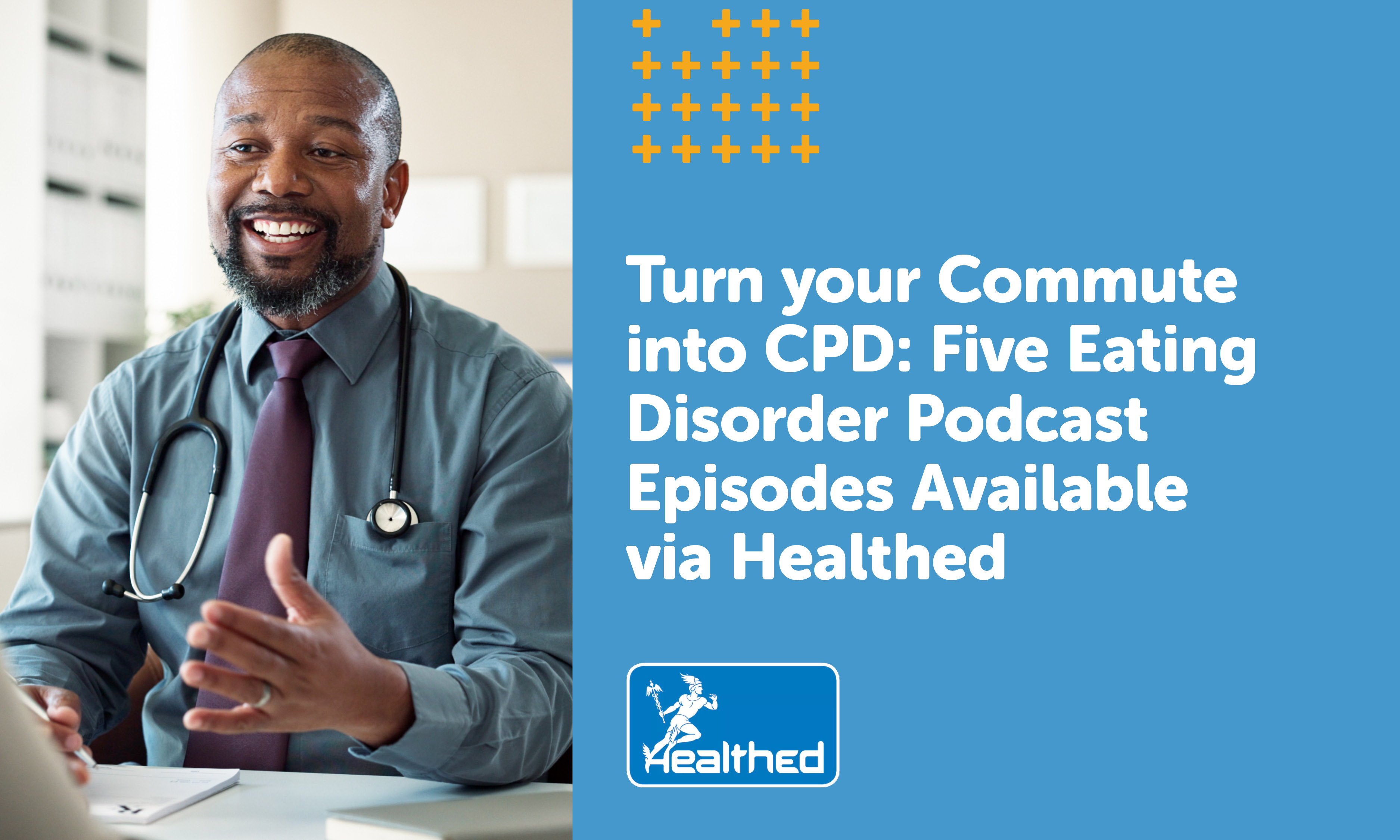
Turn your commute into CPD: Five Eating Disorder Podcast Episodes Available on Healthed
Developed in partnership with Healthed, this five-episode podcast series features InsideOut experts discussing the latest thinking in eating disorder care, helping health professionals expand their knowledge and improve patient outcomes.
22 Jul, 2026
Dietitian Spotlight: What Health Professionals Need to Know to Spot Early Red Flags for Eating Disorders.
Continuing our spotlight for Dietitian’s Week, Senior Clinical Dietitian Mellisa Ashley shares the key early warning signs for eating disorders that every dietitian — and health professional — should recognise in their practice.
13 May, 2026


© 2026 InsideOut
InsideOut acknowledges the tradition of custodianship and law of the Country on which the University of Sydney and Charles Perkins Centre campus stands. We pay our respects to those who have cared and continue to care for Country. We are committed to diversifying research and eliminating inequities and discrimination in healthcare. We welcome all people regardless of age, gender, race, size, sexuality, language, socioeconomic status, location or ability.