A suite of digital tools developed by GPs, for GPs. Designed to save time, enhance workflow and support diagnosis, assessment and treatment of eating disorders.
Visit the GP HubThe InsideOut eClinic offers clinicians access to a suite of free, evidence-based eTherapy programs and tools for eating disorders to use in their clinical practice.
Visit the eClinicServices, training and resources for health professionals working for NSW Health.
AccessFind resources and events tailored to your profession and needs
Professional Discipline
Tools relevant to Nurses
Events relevant to Nurses

Webinars on Nutrition Formulation: Connection, Communication & Meaning (2-Part Series)
This 2-part webinar series builds on the Foundations of Formulation and Formulating in Practice webinars by exploring how a Dietitian, using a nutrition formulation lens can strengthen broader biopsychosocial formulations within multidisciplinary eating disorder care and enhance dietetic practice. This two-part webinar explores three key themes: Connection, Communication and Meaning.

Bone Health and Eating Disorders
Bone health is a critical but often overlooked aspect of eating disorder care. Nutritional restriction, low energy availability and endocrine dysfunction can have significant consequences for bone density and fracture risk, including in young people. Join Dr Patrice Forner, dual-trained endocrinologist and dietitian, for a practical webinar exploring the impact of eating disorders on bone health and the key considerations for assessment and management.
1 Dec 2026 10:45pm - 11:30pm
Zoom
Webinars relevant to Nurses
Allergy, intolerance or something else? Navigating reported food reactions in dietetic practice
“I’m allergic to…” “I can’t tolerate…” “That food makes me feel awful…” Reported food allergies and intolerances are common in eating disorders, but what do we do when the story isn’t quite so clear? How do we tell the difference between a true allergy, an intolerance, a suspected reaction, or symptoms that may be linked to prolonged restriction or nutritional rehabilitation? This 60-minute webinar will unpack the tricky world of food reactions in eating disorder practice, including food sensitivity testing, clinical assessment, referral, and the impact of our own assumptions. We’ll explore how to stay curious, keep people medically safe and nutritionally supported, and avoid unintentionally turning food avoidance into another eating disorder rule.
Webinar - Part 1: Nutrition Formulation in Practice
This is the first webinar in a two-part series on Nutrition Formulation: Connection, Communication & Meaning. This 2-part webinar series builds on the Foundations of Formulation and Formulating in Practice webinars by exploring how a Dietitian, using a nutrition formulation lens can strengthen broader biopsychosocial formulations within multidisciplinary eating disorder care and enhance dietetic practice.
Webinar: Adapting Eating Disorder Care for Neurodivergent Clients: Reflecting on Traditional Approaches (Part 2)
This is the second webinar in a two-part series that follows on from Dr Maud Achard's May 2026 webinar 'Part 1 'Supporting Neurodivergent Clients — Engagement, Communication, and Felt Safety in Eating Disorder Care'.
Webinar: Assessing and Managing Malnutrition in Adolescents with Restrictive Eating Disorders - Part 2 Case Studies
This is a follow up to the first webinar Kate àBeckett presented in December 2025 on Assessing and Managing Malnutrition in Adolescents with Restrictive Eating Disorders.
Webinar: Part 2: Formulating in Practice - Adolescents to Adults
This is the second webinar in a two-part series on Formulation. This two-part webinar series on Formulation aims to further clinicians understanding of case conceptualisation, and give practical examples of how to use this knowledge in their work with people with eating disorders. The webinars are designed to be both complementary, and stand alone resources. This means that clinicians can choose to attend one or both webinars, depending on their preference.
Webinar: Supporting Neurodivergent Clients: Engagement, Communication, and Felt Safety in Eating Disorder Care (Part 1)
This is the first webinar in a two-part series building on the foundations introduced in Colleen Alford’s February 2026 webinar 'Neurodivergence and Eating Disorders', with a focus on translating theory into practical strategies for client work.
Webinar: GLP-1 Agonists and Eating Disorders. What to say when clients ask?
There’s a lot of hype around GLP-1 medications right now—and if you’re feeling confused, cautious, or just curious, you’re in good company. Health practitioners are struggling to keep up with the research and the messaging that consumers are facing and these conversations are ending up in therapy spaces. When we are supporting someone with or at risk of developing an eating disorder (ED) what do we say and do?
Webinar: When Eating Disorders Meet Motherhood - Recognition, Risks, and Responsive Care
This webinar focuses on eating disorders and subthreshold presentations in the perinatal population, the impacts on maternal and infant health, discusses barriers and strategies for screening and supporting affected individuals, presents an overview of current treatments for eating disorders and their relevance during the perinatal period.
Webinar: Assessing and Managing Malnutrition in Adolescents with Restrictive Eating Disorders
This webinar will provide an overview of the assessment and management of malnutrition in adolescents with restrictive eating disorders.
Webinar: Eating Disorders & Perimenopause
The intersection of eating disorders (EDs) and perimenopause presents significant clinical challenges. Without understanding of this critical life stage, clinicians risk missing the recurrence or emergence of eating disorders in midlife women - particularly binge eating disorder - or failing to address the unique nutritional needs of this population within the context of ED treatment.
eLearnings relevant to Nurses

Guided Self-Help Training for Health Professionals
Create a free InsideOut eClinic account to access the Health Professionals Hub and this free online training. Build the knowledge and confidence to deliver evidence-based guided self-help and support clients through the BEeT eTherapy program.

Family Based Treatment (FBT) for Children & Adolescents with Anorexia Nervosa: The Basics
Gain a foundational understanding of the recommended first-line treatment for children and adolescents with Anorexia Nervosa and other eating disorders.

The Foundations of Eating Disorders
Gain an introductory understanding of eating disorders in this foundational introduction to eating disorders for medical practitioners, nurses, dietitians, psychologists, and other allied health professionals.

The Essentials: Training Clinicians in Eating Disorders
Designed to meet the requirements of the NEDC competency framework for clinicians training in eating disorders, this course covers all the essential areas of basic training in the field of eating disorders.

Meal Support in the Hospital Setting
This course is designed for health professionals in the inpatient setting, equipping them with the necessary skills to deliver meal support with excellence.

Nutrition Basics
This foundational course, based on the Australian Guide to Healthy Eating, equips allied health professionals with the practical nutritional literacy to collaborate effectively in treatment teams and enhance client outcomes.

ARFID Fundamentals
Gain fundamental knowledge and skills in the area of Avoidant/Restrictive Food Intake Disorder (ARFID). Designed by experienced clinicians in consultation with people with lived experience of ARFID, ARFID Fundamentals is a self-paced course to help participants to identify ARFID, provide a thorough assessment, be able to differentiate it from other feeding and eating disorders, and understand the emerging treatment options.

Eating Disorder Inpatient Management - Adult
Gain essential skills for managing adults with eating disorders in a hospital setting through our practice-based online learning course.
Eating Disorder Inpatient Management: Children & Adolescents
Gain essential skills for managing children and adolescents with eating disorders in a hospital setting through our practice-based online learning course.
Resources relevant to Nurses
Guided Self-Help Training for Health Professionals
Create a free InsideOut eClinic account to access the Health Professionals Hub and this free online training. Build the knowledge and confidence to deliver evidence-based guided self-help and support clients through the BEeT eTherapy program.
Types of Eating Disorders
This resource outlines 7 common eating disorders: anorexia nervosa, bulimia nervosa, binge eating disorder (BED), avoidant/restrictive food intake disorder (ARFID), PICA, rumination disorder, and other specified feeding and eating disorders (OSFED).
NSW Disordered Eating and Eating Disorders in Children, Adolescents, and Adults with Type 1 Diabetes Guideline
Providing a comprehensive, evidence-informed clinical guidance for the identification, prevention, assessment, and management of disordered eating and eating disorders in individuals with Type 1 Diabetes (T1D) across the lifespan.
The Binge Eating Disorder Screener-7 (BEDS-7)
The Binge Eating Disorder Screener-7 (BEDS-7; 2014) is a screening tool that has been designed to screen adults who may have BED.
Nursing Care for Adults with Eating Disorders in Medical Inpatient and Emergency Department Settings
This document is intended to provide directions on the provision of nursing care for adults with eating when they are admitted to general wards or in the emergency department. People with eating disorders experience a complex interplay of both medical and psychiatric issues, which can also present against a background of trauma, interpersonal and relational issues and personality vulnerabilities. Therefore, close supervision and targeted management on the ward, which considers the unique challenges that this population face, is required to ensure patient safety (both physical and psychological) and resolution of medical problems. This document is intended to provide direction about supporting adults with eating disorders to reach medical stability safely and effectively. It is not intended to provide direction on specific medical or psychiatric treatment, as this should be decided by the individual’s current multidisciplinary treatment team in consultation with the individual, their family and/or carers as part of the development of a collaborative treatment plan.
NSW Eating Disorders Toolkit: Inpatient Management of Children and Adolescents with Eating Disorders
A practice-Based Guide to the Inpatient management of Children and Adolescents with Eating Disorders
Guidelines for the Inpatient Management of Adult Eating Disorders in General Medical and Psychiatric Settings in NSW
This document is designed to be used by nurses, doctors, allied health and general health staff located in hospitals or wards without specialist eating disorder facilities, to guide in the assessment of eating disorders, indicators for admission, and management strategies.
Family Based Treatment (FBT) for Children & Adolescents with Anorexia Nervosa: The Basics
Gain a foundational understanding of the recommended first-line treatment for children and adolescents with Anorexia Nervosa and other eating disorders.
The Foundations of Eating Disorders
Gain an introductory understanding of eating disorders in this foundational introduction to eating disorders for medical practitioners, nurses, dietitians, psychologists, and other allied health professionals.
The Essentials: Training Clinicians in Eating Disorders
Designed to meet the requirements of the NEDC competency framework for clinicians training in eating disorders, this course covers all the essential areas of basic training in the field of eating disorders.
Meal Support in the Hospital Setting
This course is designed for health professionals in the inpatient setting, equipping them with the necessary skills to deliver meal support with excellence.
Nutrition Basics
This foundational course, based on the Australian Guide to Healthy Eating, equips allied health professionals with the practical nutritional literacy to collaborate effectively in treatment teams and enhance client outcomes.
ARFID Fundamentals
Gain fundamental knowledge and skills in the area of Avoidant/Restrictive Food Intake Disorder (ARFID). Designed by experienced clinicians in consultation with people with lived experience of ARFID, ARFID Fundamentals is a self-paced course to help participants to identify ARFID, provide a thorough assessment, be able to differentiate it from other feeding and eating disorders, and understand the emerging treatment options.
Eating Disorder Inpatient Management - Adult
Gain essential skills for managing adults with eating disorders in a hospital setting through our practice-based online learning course.
Eating Disorder Inpatient Management: Children & Adolescents
Gain essential skills for managing children and adolescents with eating disorders in a hospital setting through our practice-based online learning course.
Misconceptions About Feeding In Children
This resource discusses 5 misconceptions about feeding in children
Posts relevant to Nurses
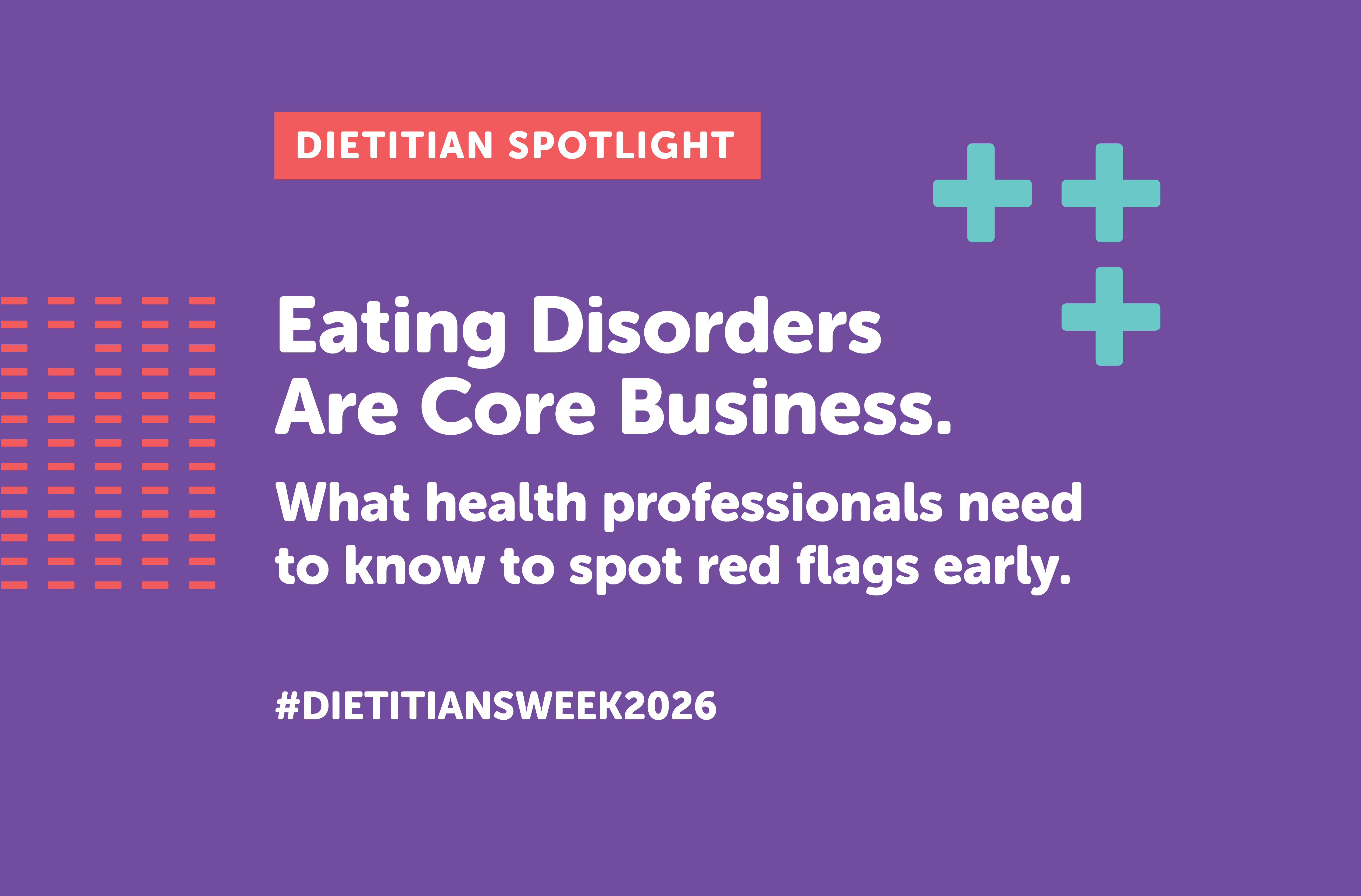
Dietitian Spotlight: What Health Professionals Need to Know to Spot Early Red Flags for Eating Disorders.
Continuing our spotlight for Dietitian’s Week, Senior Clinical Dietitian Mellisa Ashley shares the key early warning signs for eating disorders that every dietitian — and health professional — should recognise in their practice.
13 May, 2026
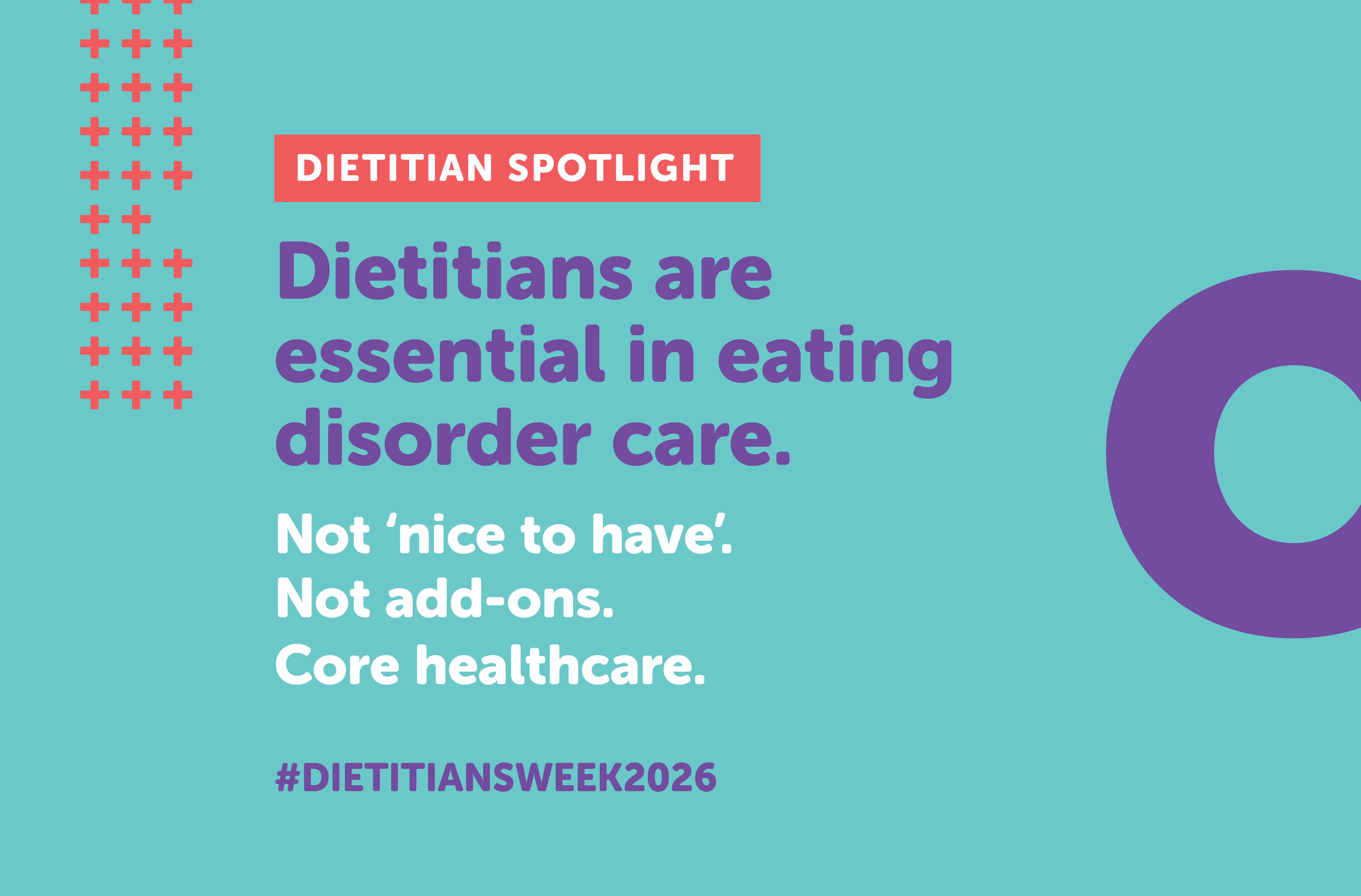
Why Dietitians Are Essential in Eating Disorder Care
To mark Dietitians Week (11–17 May), we’re shining a spotlight on the essential role dietitians play across the healthcare system — particularly in the assessment and treatment of eating disorders. In this piece, we explore why dietitians are a vital part of evidence‑based eating disorder care and multidisciplinary treatment teams.
11 May, 2026
Milestone GP usage for eating disorder care tool
Aiming to streamline care and support a multidisciplinary model, the tool is now used by 9% of the GP workforce.
23 Apr, 2026

InsideOut Releases NSW Guideline for Managing Disordered Eating in People with Type 1 Diabetes
Providing a comprehensive, evidence-informed clinical guidance for the identification, prevention, assessment, and management of disordered eating and eating disorders in individuals with Type 1 Diabetes across the lifespan.
19 Mar, 2026


© 2026 InsideOut
InsideOut acknowledges the tradition of custodianship and law of the Country on which the University of Sydney and Charles Perkins Centre campus stands. We pay our respects to those who have cared and continue to care for Country. We are committed to diversifying research and eliminating inequities and discrimination in healthcare. We welcome all people regardless of age, gender, race, size, sexuality, language, socioeconomic status, location or ability.