

© 2026 InsideOut
InsideOut acknowledges the tradition of custodianship and law of the Country on which the University of Sydney and Charles Perkins Centre campus stands. We pay our respects to those who have cared and continue to care for Country. We are committed to diversifying research and eliminating inequities and discrimination in healthcare. We welcome all people regardless of age, gender, race, size, sexuality, language, socioeconomic status, location or ability.
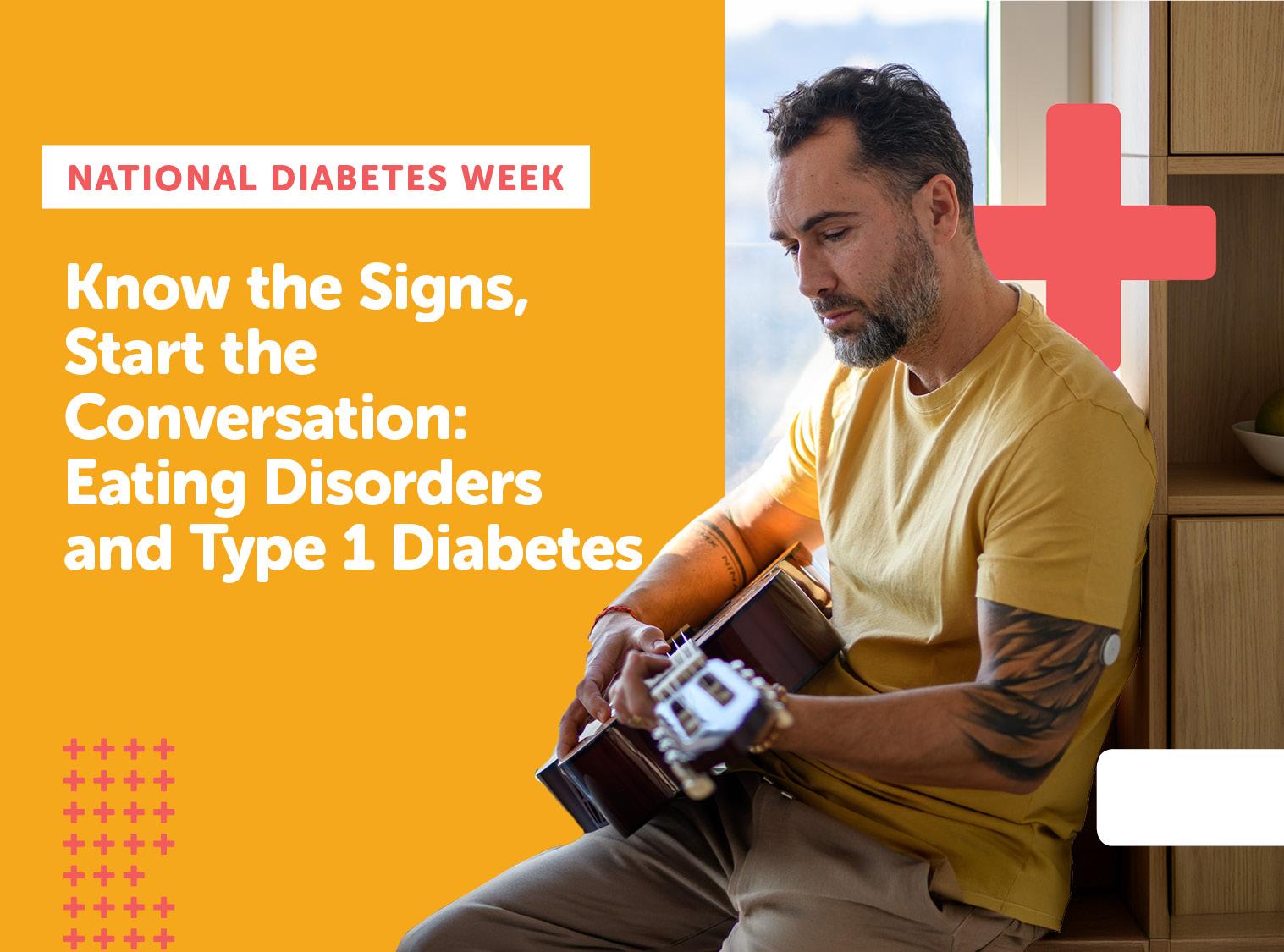
Eating disorders can affect anyone, but when someone is living with type 1 diabetes (T1D), the signs and risks are often misunderstood.
Misconceptions about eating disorders in people with T1D can create barriers to early identification, supportive conversations, and timely treatment. From assumptions about who develops eating disorders to a lack of awareness about diabetes-specific warning signs, these myths can prevent people from accessing the support they need.
During National Diabetes Week, InsideOut Institute is encouraging all clinicians to build their understanding of eating disorders and T1D, and to recognise the important role they can play in identifying concerns early and connecting people with appropriate care.
Fact: People with type 1 diabetes are at increased risk of disordered eating and eating disorders. Daily focus on food, numbers, weight, shape, and insulin management, alongside weight fluctuations as a result of insulin can cause some to develop an unhealthy preoccupation with food and weight.
Fact: People with eating disorders and type 1 diabetes can have eating disorder behaviours that are quite unique, compared to people without type 1 diabetes; they may or may not exhibit the “typical” signs of an eating disorder or disordered eating.
One behaviour that is unique to those living with type 1 diabetes is the misuse of insulin; a compensatory behaviour that can have serious medical consequences.
Assessment and treatment should consider both the diabetes and the eating disorder together.
Fact: Eating disorders are still incorrectly associated with young, underweight women — a stereotype that stigmatises many living with this condition. Eating disorders affect people of all genders, body weights, neurotypes, sexual orientations, ages, socioeconomic status, and cultural backgrounds.
Fact: Eating disorders are everyone’s business. Supporting people with type 1 diabetes and disordered eating and eating disorders are not solely the role of mental health clinicians. All clinicians working in diabetes care can contribute to early recognition, supportive communication, and appropriate referral.
Fact: Early conversations and screening can prevent serious harm. Routine psychosocial screening and early intervention are critical; clinicians across all disciplines play an important role in identifying concerns early and supporting safer outcomes.
Fact: Discussing eating disorders and disordered eating with people living with type 1 diabetes does not create an eating disorder. Rather, it creates opportunities for awareness, early identification, and timely support. Clinicians can find practical tools to help start conversations, screen appropriately, and respond with confidence, in the NSW guidelines.
As Maureen Moerbeck, Senior Dietitian and Statewide Service Development Lead at InsideOut Institute, explains:
"Every clinician shares responsibility for eating disorder care. Whether you're working in primary care, diabetes care, mental health, or allied health, you may be in a position to recognise concerns and support someone on their path to recovery."
— Maureen Moerbeck, Senior Dietitian and Statewide Service Development Lead at InsideOut Institute for Eating Disorders
Building clinician confidence in recognising and responding to eating disorders among people living with type 1 diabetes is essential to improving outcomes.
The NSW Eating Disorders and Type 1 Diabetes Guideline provides practical advice to help clinicians: